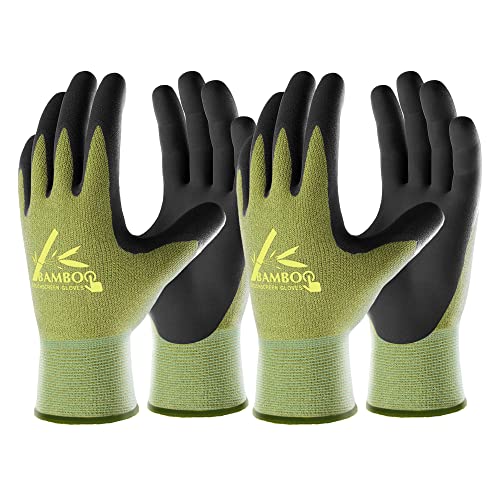
expert tips for selecting durable and sustainable bamboo items
Bamboo has gained popularity in recent years as a sustainable material for a variety of products, from kitchenware to furniture. Its rapid growth and biodegradability make it an eco-friendly choice for consumers looking to reduce their environmental impact. However, not all bamboo items are created equal. Here are expert tips to help you select durable and sustainable bamboo products that will stand the test of time.
1. Look for Certified Products
When shopping for bamboo items, always check for certifications that guarantee sustainability. Look for products certified by organisations such as the Forest Stewardship Council (FSC) or the Global Organic Textile Standard (GOTS). These certifications ensure that the bamboo is sourced from responsibly managed forests and that the production process is environmentally friendly.
2. Assess the Quality of the Bamboo
The quality of bamboo can vary significantly. Higher quality bamboo is generally made from Moso bamboo, which is known for its strength and durability. You can determine the quality by examining the thickness of the bamboo, as thicker items are often more durable. Additionally, check for any signs of splintering or fraying, which can indicate inferior quality.
People Also Look For:
- Vencier Bamboo Duckboard Bath Mat | Anti Slip Mat - New Slatted Design | Spa, Bath, Shower Bathroom Decor | (Natural)
- SockWaddles 10 Pairs Bamboo Trainer Socks for Mens Womens and Ladies, Low Cut Ankle Seamless Socks, Moisture-Wicking Short Athleti...
- Pezin & Hulin Mobile Phone Stand, Adjustable Bamboo Phone Holder for Desk, Portable Cell Phone Dock Rack with Charging Hole for Ph...
- Lifewit 65L Slim Laundry Basket with Lid, Narrow Laundry Bin with Removable Bag & Bamboo Handles, Foldable Thin Dirty Clothes Hamp...
- Haxnicks 5x Indoor & Outdoor Sustainable Bamboo Fibre Plant Pots | 4 Inch Diameter | Pack of 5 | Sage Green | Pot180101
3. Evaluate the Manufacturing Process
Understanding how bamboo products are manufactured is crucial in selecting sustainable items. Bamboo can be processed using various methods, some of which are more eco-friendly than others. For instance, bamboo products that are produced without the use of harsh chemicals or excessive energy consumption are preferable. Look for brands that are transparent about their manufacturing processes and prioritise sustainability.
4. Opt for Natural Finishes
Avoid bamboo products that are coated with synthetic finishes or chemical treatments, as these can diminish the item’s sustainability. Instead, choose products that use natural oils or waxes for finishing. These options are not only better for the environment but also safer for your health. Natural finishes can enhance the beauty of bamboo while maintaining its eco-friendly characteristics.
5. Consider the Product's Lifecycle
When selecting bamboo items, it is essential to think about their entire lifecycle. Choose products that are designed for longevity and are easily repairable. For example, bamboo furniture with replaceable parts can extend the life of the item and reduce waste. Additionally, consider products that are biodegradable at the end of their life, ensuring that they do not contribute to landfill waste.
6. Research the Brand's Philosophy
The brand you choose can significantly influence the sustainability of the bamboo products you buy. Research companies that prioritise ethical sourcing and environmentally friendly practices. Brands that engage in social responsibility initiatives or that give back to communities involved in bamboo cultivation are often more trustworthy. Reading customer reviews and brand stories can provide insight into their values and practices.
7. Check for Functionality and Design
Durable bamboo products should also be functional and aesthetically pleasing. Look for designs that are versatile and can serve multiple purposes. For example, a bamboo cutting board that doubles as a serving platter is not only practical but also space-saving. Well-designed items are more likely to be used regularly, which reduces the need for replacements and further supports sustainability.
8. Be Mindful of Packaging
Finally, pay attention to the packaging of bamboo products. Eco-friendly packaging, such as recycled or biodegradable materials, aligns with the sustainable ethos of bamboo. Brands that take extra steps to minimise their environmental footprint in packaging demonstrate a commitment to sustainability that extends beyond the product itself.